Enzyme–inorganic hybrid nanoflowers
Nanoflower synthesis for stable, reusable biocatalysts
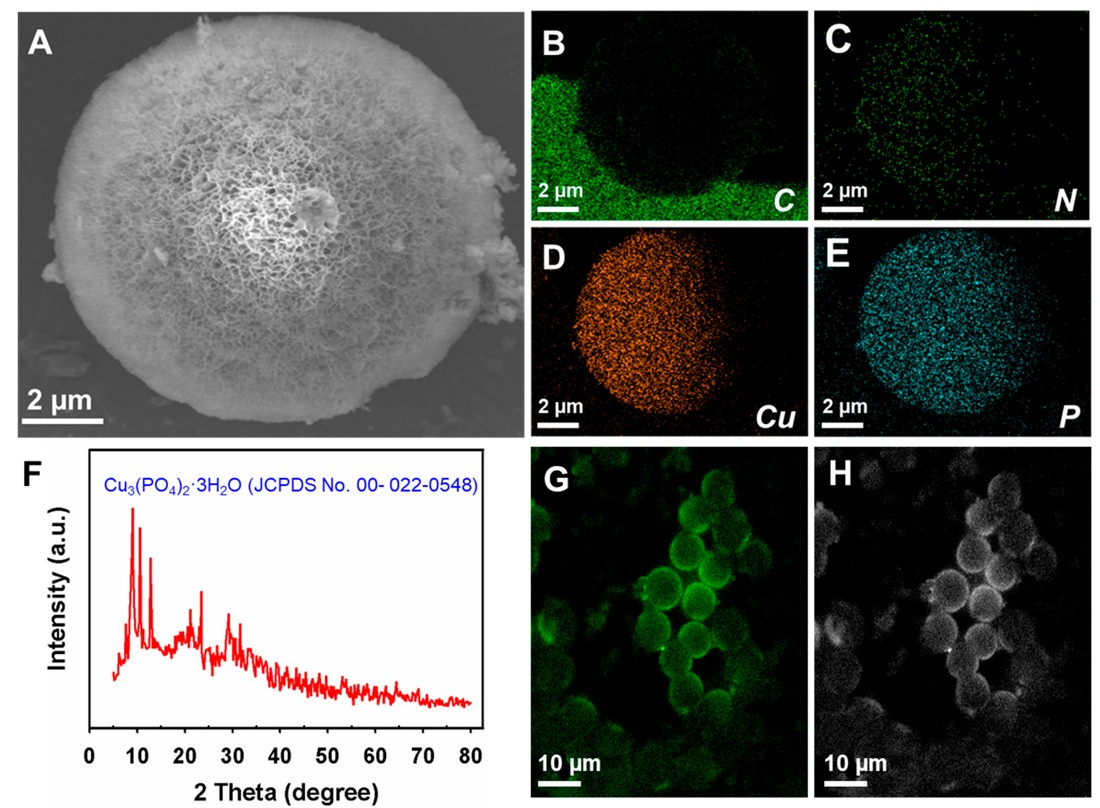
Enzyme–metal hybrid nanoflowers form in phosphate-buffered saline through nucleation, aggregation, and anisotropic growth, most often with cobalt, copper, manganese, or zinc ions. The hybrid structure improves enzyme stability and catalytic performance relative to the free enzyme. Related work includes a magnetic laccase hybrid for dye decolorization in the presence of inhibitors (2024), a laccase hybrid applied to biomass saccharification (2023), a copper-based laccase hybrid (2025), and a study of the effect of metal ions on β-glucosidase immobilization (2019).
Related publications
- Influence of Metal Ions on the Immobilization of β-Glucosidase Through Protein-Inorganic Hybrids. Indian Journal of Microbiology 2019. doi:10.1007/s12088-019-00796-z
- Coriolus versicolor laccase-based inorganic protein hybrid synthesis for application in biomass saccharification to enhance biological production of hydrogen and ethanol. Enzyme and Microbial Technology 2023. doi:10.1016/j.enzmictec.2023.110301
- Trametes versicolor Laccase-Based Magnetic Inorganic-Protein Hybrid Nanobiocatalyst for Efficient Decolorization of Dyes in the Presence of Inhibitors. Materials 2024. doi:10.3390/ma17081790
- Immobilization of Pleurotus eryngii Laccase via a Protein–Inorganic Hybrid for Efficient Degradation of Bisphenol A as a Potent Xenobiotic. Journal of Xenobiotics 2025. doi:10.3390/jox15040108